Different Types of Disability Insurance
Different Types of Disability Insurance
At a Glance: Disability insurance replaces a portion of your income if an illness or injury prevents you from working, helping cover everyday expenses during recovery. The main types include short-term disability, long-term disability, employer-sponsored plans, individual policies, and government programs like Social Security Disability Insurance (SSDI).
Your ability to earn an income is one of your most valuable assets. But what happens if an illness or injury suddenly prevents you from working? For many people, this risk is easy to overlook. Yet disabilities are more common than most working adults expect, and the financial impact can be significant without proper protection.
Disability insurance exists to help replace a portion of your income when you’re unable to work due to a qualifying medical condition. Unlike health insurance, which pays medical bills, disability insurance focuses on keeping your household financially stable during recovery. This guide breaks down the main types of disability insurance, how they work, and who they’re best suited for—so you can make informed decisions before you ever need to rely on coverage.
What Is Disability Insurance?
Disability insurance is designed to replace part of your income if you become unable to work due to illness or injury. Its primary purpose is to provide financial stability during periods when earning a paycheck isn’t possible.
A
disability policy typically pays a percentage of your pre-disability income, helping you cover everyday expenses like rent, groceries, utilities, and loan payments. This is an important distinction from health insurance, which pays for medical care rather than lost wages.
Most disability policies share a few core components:
- Benefit Amount: The percentage of income replaced.
- Elimination Period: The waiting period before benefits begin.
- Benefit Period: How long benefits are paid.
Understanding these terms is critical. The best time to learn how disability insurance works is before you’re facing a medical crisis, not after.
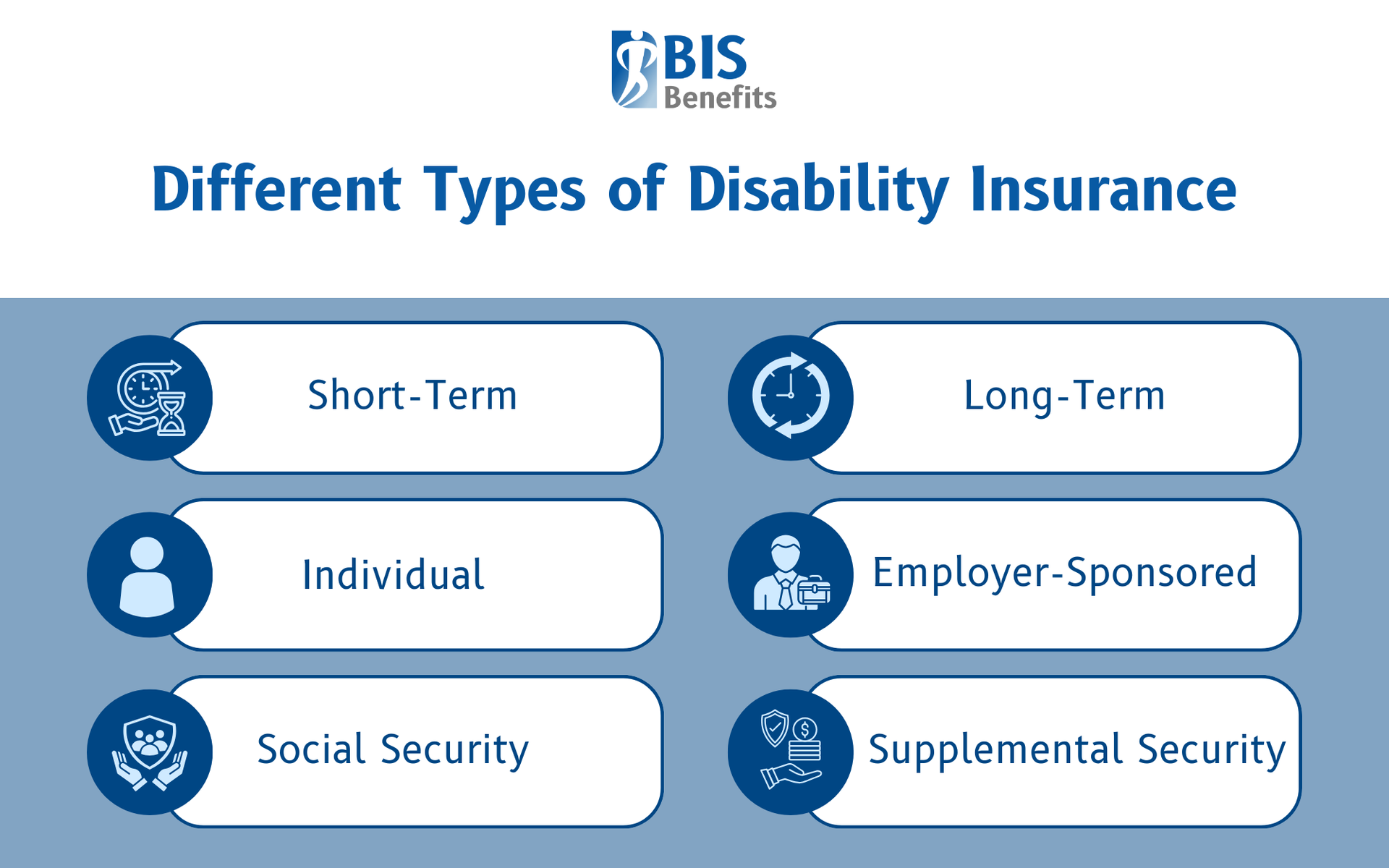
Short-Term Disability Insurance (STD)
Short-term disability insurance covers temporary conditions that prevent you from working for a limited time. These disabilities typically last weeks or months, not years.
Most short-term disability policies provide benefits for about three to six months, though exact durations vary by plan. The elimination period is often short, sometimes just a few days, making STD useful for immediate income replacement. Benefit amounts commonly replace
40% to 70%
of base salary.
Conditions commonly covered include recovery from surgery, pregnancy and childbirth, short-term illnesses, and non-work-related injuries. STD insurance is most often offered through employer-sponsored benefits, though a handful of states also operate temporary disability programs.
Short-term disability coverage has limitations. It does not protect against long-term or permanent disabilities, which is why many people rely on long-term disability insurance once STD benefits end.
Long-Term Disability Insurance (LTD)
Long-term disability insurance is designed to cover extended periods of inability to work, ranging from several months to many years. It is a cornerstone of income protection for serious injuries or chronic medical conditions.
LTD policies typically begin after a longer elimination period, typically ranging from
30 days to 2 years, which is commonly structured to start when short-term disability coverage ends. Benefit periods can last two years, five years, ten years, or even until retirement age, depending on the policy.
Benefit amounts usually replace
around 60% pre-disability income. Covered conditions often include chronic illnesses, severe injuries, degenerative diseases, and certain mental health conditions.
One of the most important features of LTD insurance is the definition of disability. Policies may use an “own occupation” definition (unable to perform your specific job) or an “any occupation” definition (unable to perform any job suited to your skills). This distinction significantly affects how and when benefits are paid.

Employer-Sponsored Disability Insurance
Many employers offer short-term and long-term disability insurance as part of their benefits packages. Group disability plans are often easier to enroll in and may come at a lower cost compared to individual policies. Premiums are frequently deducted directly from payroll, simplifying participation.
However, employer-sponsored plans can have drawbacks. Coverage may not be portable if you change jobs, and benefit amounts are often capped. Additionally, if the employer pays the premiums, benefits are generally taxable when received.
Employees should carefully review plan details, including benefit percentages, elimination periods, disability definitions, and maximum monthly benefits. In many cases, individuals choose to supplement employer coverage with an individual disability policy to close potential gaps.
Individual Disability Insurance
Individual disability insurance is purchased directly from an insurance company rather than through an employer. These policies are fully portable, meaning coverage stays with you regardless of job changes.
Individual policies offer greater customization, allowing you to choose benefit amounts, elimination periods, and riders that fit your specific needs. If you pay premiums with after-tax dollars, benefits are generally tax-free.
This type of coverage is particularly valuable for self-employed individuals, high earners, and professionals whose income exceeds employer plan limits. Individual policies often include features such as own-occupation definitions, cost-of-living adjustments, and residual or partial disability benefits.
Social Security Disability Insurance (SSDI)
Social Security Disability Insurance is a federal program that provides benefits to workers who have paid into Social Security and become disabled. Eligibility depends on having sufficient work credits based on age and employment history.
The
Social Security Administration defines disability as an inability to engage in substantial gainful activity due to a medically determinable impairment expected to last at least 12 months or result in death. This standard is strict, and the application process can be lengthy, with many initial claims denied.
SSDI benefit amounts are based on lifetime earnings, not current income. While SSDI can provide critical support, benefits often replace only a portion of prior earnings and should not be viewed as a complete income replacement solution.
Supplemental Security Income (SSI)
Supplemental Security Income is a needs-based federal program for disabled individuals with limited income and assets. Unlike SSDI, SSI eligibility is not tied to work history.
SSI benefits are generally lower than SSDI and are subject to strict income and asset limits. The program is designed to help low-income disabled adults, children with disabilities, and elderly individuals meet basic needs.
SSI can sometimes be combined with other assistance programs, but it is not a substitute for private disability insurance.
State Disability Insurance Programs
A small number of states require or administer short-term disability coverage programs. These include California, New York, New Jersey, Rhode Island and Hawaii.
State programs typically provide temporary wage replacement funded through payroll taxes. Benefit amounts and duration vary by jurisdiction, and coverage often coordinates with employer-sponsored disability plans.
Employees working in these states should understand how state benefits interact with workplace disability coverage, as rules and benefits differ significantly.

Specialty Disability Policies
Beyond traditional income replacement, specialty disability policies address specific risks:
- Business Overhead Expense (BOE) Insurance: Covers operating expenses if a business owner becomes disabled.
- Key Person Disability Insurance: Protects a business if a critical employee is unable to work.
- Disability Buyout Insurance: Funds buy-sell agreements when a business partner becomes disabled.
- Student Loan Disability Insurance: Covers student loan payments during periods of disability.
These policies are particularly important for business owners, professionals, and individuals with significant financial obligations.
How to Choose the Right Disability Insurance
Choosing disability coverage starts with understanding what protection you already have. Review employer plans, state programs, and potential Social Security benefits. Then calculate how much income you would need to replace to maintain your lifestyle.
Consider your occupation and risk factors, as physically demanding or specialized professions may require stronger coverage. Pay close attention to policy definitions, elimination periods, benefit periods, and optional riders.
Because disability insurance can be complex, working with an insurance professional or benefits advisor can help ensure coverage aligns with your financial goals.
Find Disability Insurance Solutions with BIS Benefits
Disability insurance comes in many forms, each designed to address different risks and life situations. From short-term and long-term coverage to government programs and specialty policies, understanding your options is essential. Protecting your income before a disability occurs can make the difference between financial stability and hardship.
Business owners should be aware of disability insurance and the different plan options that are available. At BIS Benefits, our brokers provide Short-Term and Long-Term
Disability Insurance
services for Georgia-based businesses with at least 15 employees.
Request a Quote from BIS Benefits today to find out how our insurance professionals can help your company find the best coverage for its needs.