What Is Product Liability Insurance?
What Is Product Liability Insurance?
At a Glance: Product liability insurance covers claims alleging that a product caused bodily injury or property damage by paying for legal defense costs, settlements, and judgments. Any business that manufactures, distributes, imports, or sells products needs this coverage because liability claims can arise even when a company follows quality control procedures and industry standards.
If your business manufactures, distributes, or sells products, a single defective item could result in a lawsuit that threatens your entire operation. Product liability insurance protects businesses from claims alleging that their products caused injury, illness, or property damage to consumers or other parties.
Product liability claims can arise even when a business follows quality control procedures and industry standards. A manufacturing error, a design flaw, or inadequate warnings can lead to costly litigation regardless of your best efforts. Coverage is important for any business in the product supply chain, from manufacturers to distributors to retailers.
What Is Product Liability Insurance?
Product liability insurance covers claims alleging that a product caused bodily injury or property damage. It protects businesses from lawsuits filed by consumers, end users, or other parties harmed by a product. The coverage pays for legal defense costs, settlements, and judgments arising from product-related claims.
When a claim is filed, the insurer investigates the incident and provides legal defense for the business. Coverage applies regardless of whether the business is ultimately found liable, meaning defense costs are covered even if you win the case. Policies pay for settlements or judgments up to the coverage limits. Legal fees may be included within limits or provided in addition to limits, depending on the policy structure.
Relationship to General Liability Insurance
Product liability is often included as part of commercial general liability insurance through products-completed operations coverage. However, some businesses need standalone or excess product liability coverage for higher limits. High-risk industries may require both a general liability policy and specialized product liability policies that address their specific exposures.
What Does Product Liability Insurance Cover?
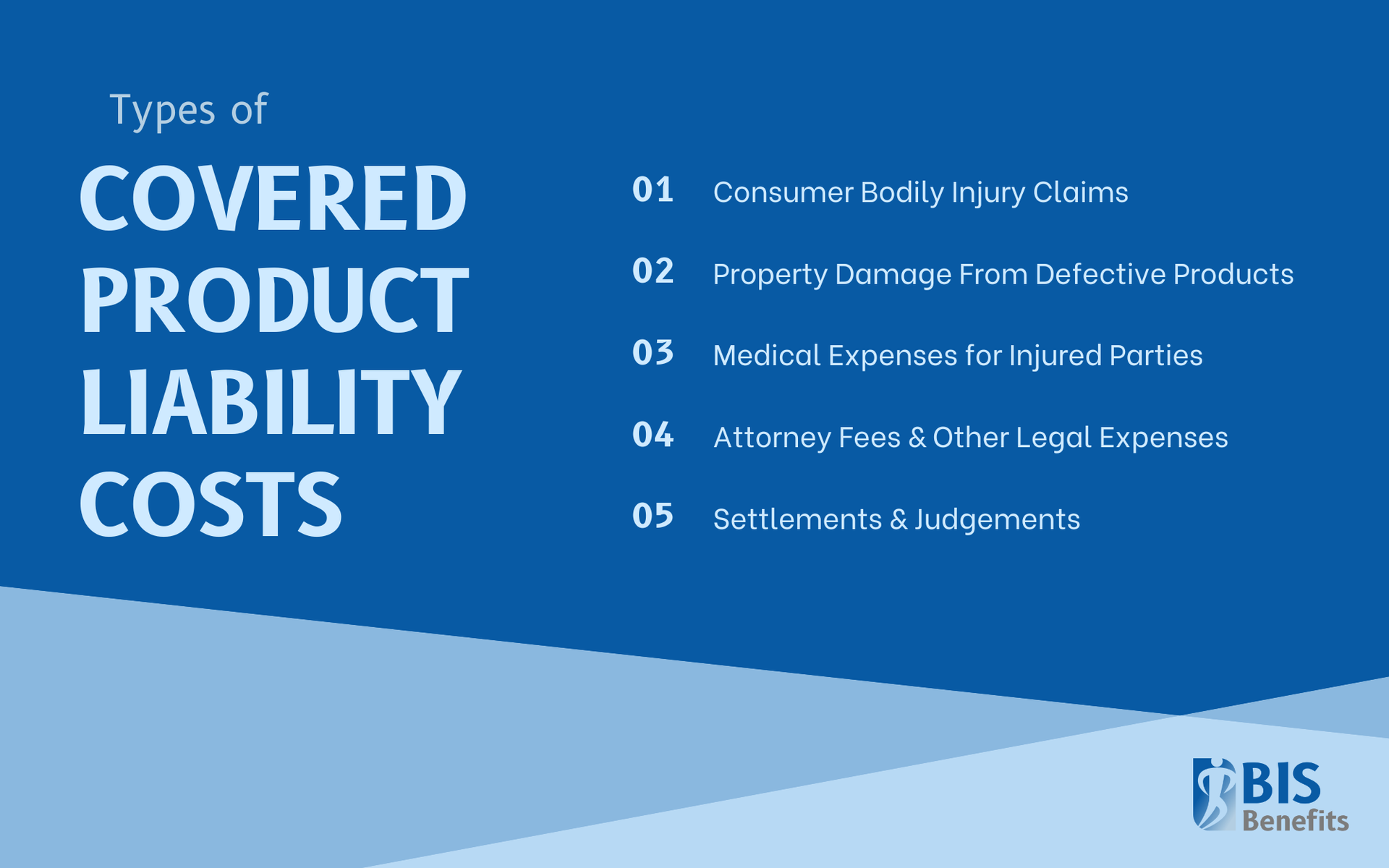
Product liability coverage extends to:
- Bodily injury claims from consumers
- Property damage caused by defective products
- Legal costs, including attorney fees, court costs, and expert witnesses
- Settlements negotiated to resolve claims
- Judgments awarded by courts
- Medical expenses for injured parties
Types of Covered Product Defects
- Design Defects: Flaws in the product's design that make it inherently dangerous, affecting every unit produced.
- Manufacturing Defects: Errors during production that affect specific units rather than the entire product line.
- Marketing Defects: Involve inadequate warnings, instructions, or labeling, sometimes called failure to warn claims.
Examples of Covered Incidents
A range of claims can arise from faulty products across different industries, such as:
- A consumer injured by a malfunctioning appliance
- A food product causing illness or allergic reaction
- Auto parts failure leading to a vehicle accident
- Cosmetic products causing skin reaction or injury
- Equipment malfunction causing property damage
Exclusions
Product liability insurance does not cover everything. The following incidents may require separate insurance coverage:
- Intentional harm or fraudulent acts
- Product recalls (requires separate product recall insurance)
- Breach of warranty claims
- Damage to the product itself
- Claims arising from products not listed on the policy
- Known defects concealed from the insurer
Who Needs Product Liability Insurance?
Manufacturers
Since they design and produce products, manufacturers bear primary liability exposure. Even with quality control, defects can occur in design or production. Claims can arise years after products are sold, and coverage protects against both individual claims and class action lawsuits. Any company that creates products needs this protection.
Distributors & Wholesalers
Even though they did not manufacture the product, distributors and wholesalers can be named in product liability lawsuits. Liability can attach to any business in the supply chain, and coverage provides protection and legal defense when named in claims. Contractual requirements from manufacturers or retailers may mandate coverage as a condition of doing business.
Retailers & Resellers
Stores selling products can be held responsible for defective items, which creates liability exposures for resellers. Retailers may be the most accessible target for consumer lawsuits since they have a direct relationship with the buyer. Private label or store brand products create additional exposure, and online sellers and e-commerce businesses face similar risks.
Importers
When foreign manufacturers cannot be sued in domestic courts, importers may bear legal liability. They face increased responsibility for product safety and compliance and may encounter heightened scrutiny from regulators and consumers. Coverage is particularly important when manufacturers are overseas and beyond the reach of the legal system.
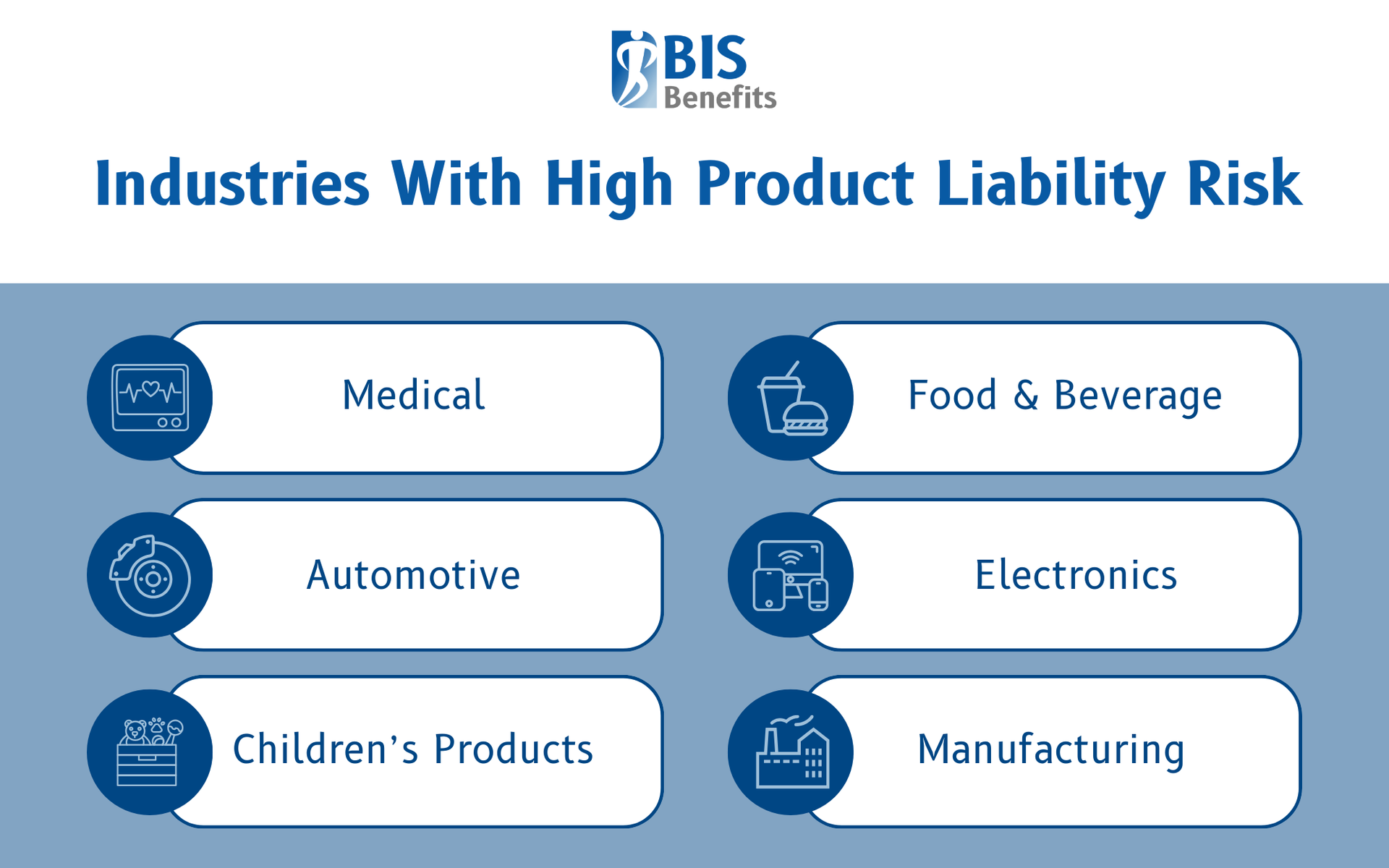
Industries with High Product Liability Risk
Food and Beverage
These companies face contamination, spoilage, and allergen risks. In the United States, regulatory requirements from the Food & Drug Administration (FDA) and U.S. Department of Agriculture (USDA) apply, and the potential for widespread harm from batch issues makes this industry high risk. Recalls can affect large volumes of product and cause significant financial damage.
Medical
Since pharmaceuticals and medical devices involve high-stakes health outcomes, product liability claims from product failures can create significant liability. Extensive testing and approval requirements apply, and long-tail liability exposure exists for side effects discovered years later. Class-action lawsuit potential makes adequate coverage limits particularly important in this sector.
Consumer Electronics
These products create risks from battery fires, electrical hazards, and malfunctions. Rapid product cycles and innovation increase risk, and global supply chains complicate quality control. Recalls can be costly and damaging to the business's reputation.
Children's Products
Products made for children face heightened safety standards and regulatory oversight, with particular concerns around choking hazards, toxic materials, and design flaws.
Automotive and Transportation
Auto components involve safety-critical parts with severe injury potential. Regulatory requirements from the National Highway Traffic Safety Administration (NHTSA) apply, and long product lifecycles create extended liability exposure.
Manufacturing & Industrial
Since faulty equipment can cause employee injuries and other damages, manufacturers must follow strict safety standards.
How Product Liability Claims Arise
Product liability claims have several legal bases:
- Strict Liability: Holds the manufacturer responsible regardless of fault.
- Negligence Claims: Argue failure to exercise reasonable care in design, production, or warnings.
- Breach of Warranty Claims: Arise when a product fails to meet express or implied promises.
- Misrepresentation: Involves false statements about product safety or performance
Various parties can file claims against your business. Consumers who purchased and used the product are obvious claimants, but end users who did not purchase but were harmed, sometimes called bystanders, can also sue. Businesses damaged by defective products may seek compensation, and family members of injured parties may have claims as well.

How Much Product Liability Coverage Do You Need?
Several factors influence appropriate coverage limits:
- Type of Product
- Associated Risk Level
- Annual Sales Volume & Revenue
- Distribution Channels & Geographic Reach
- Claims History
- Industry Loss Trends
- Contractual Requirements From Customers or Partners
Balancing Cost & Protection
Higher limits increase premiums but provide greater protection against large claims. Deductibles and self-insured retentions affect both cost and out-of-pocket exposure. Consider worst-case scenarios and catastrophic loss potential when setting limits, and review coverage annually as product lines and sales volume change.
Reducing Product Liability Risk
Quality Control
- Implement rigorous quality control procedures
- Test products before release and monitor in-market performance.
- Document testing results and quality processes thoroughly.
- Address defects promptly when identified to prevent additional incidents
Warnings & Instructions
- Provide clear, comprehensive product warnings
- Include proper usage instructions
- Address foreseeable misuse scenarios
- Update warnings as new risks are identified
- Documentation and recordkeeping support your defense if claims arise
- Maintain records of design decisions and safety analyses, document testing and inspections
- Retain records for the expected life of the product plus the statute of limitations
Working with an experienced insurance professional helps ensure appropriate coverage. Look for insurance agents experienced with your industry who understand your specific exposures. Provide detailed information about products, manufacturing processes, and quality control. A qualified broker can go over your policy options and help you find the right coverage for your needs.
Discover Product Liability Solutions with BIS Benefits
Product liability insurance protects businesses from claims alleging their products caused injury or property damage. Even businesses with strong quality control practices can suffer financial loss from a product liability claim, which makes this coverage important for any business owner involved in manufacturing, distributing, or selling products.
At BIS Benefits, our experienced
product liability insurance brokers will evaluate your business’s exposures and ensure you have appropriate coverage for the products you make, distribute, or sell. If your company is located in Georgia and has at least 15 employees,
Request a Quote today to learn more about our group health and commercial insurance products.