Why is Commercial Insurance So Expensive?
Why is Commercial Insurance So Expensive?
At a Glance: Commercial insurance costs continue rising due to a combination of factors including claims severity from medical expenses and legal judgments, inflation driving up repair and labor costs, and tightening insurance market capacity. While these pressures affect all businesses, proactive risk management and working with experienced insurance brokers can help manage costs while maintaining essential protection.
Business owners across the United States are facing a challenging reality: commercial insurance costs are continuing to rise every year, putting significant strain on operational budgets and long-term planning. These escalating costs create difficult decisions about coverage levels, deductibles, and whether to self-insure certain risks.
The surge in commercial insurance pricing isn't arbitrary. Small business owners face a perfect storm of conditions pushing insurance costs upward. Understanding why commercial insurance is so expensive helps businesses make informed decisions about coverage and identify strategies for managing costs while maintaining essential protection.
Understanding the Fundamentals of Insurance Pricing
How Insurance Companies Calculate Premiums
Insurance pricing begins with risk assessment and classification. Insurers analyze vast amounts of data to evaluate the likelihood and potential severity of claims for each business. They examine industry type, business size, claims history, location, and numerous other factors to classify risks into rating categories. Premium calculations also incorporate loss ratio targets—the percentage of premium dollars paid out in claims. Insurers aim for loss ratios allowing profitability after accounting for operating expenses, taxes, and profit margins.
Reinsurance costs significantly impact premiums. Insurance companies purchase reinsurance to protect themselves against catastrophic losses, and when reinsurance becomes more expensive, those costs get passed to policyholders through higher premiums.
Market Cycle Dynamics
The insurance market operates in cycles of "hard" and "soft" markets. During soft markets, ample capacity and intense competition drive premiums down as insurers compete aggressively for business. Hard markets occur when capacity tightens, often following major loss events, causing insurers to raise prices and tighten underwriting standards. Currently, many commercial insurance lines remain in hard market conditions following years of underpricing, natural catastrophes, and emerging risks like cyber threats.
Supply and Demand
When many insurers compete for business, prices moderate. When insurers exit markets or reduce capacity, remaining carriers can charge more for scarce coverage.
Regional and Industry Variations
Geography dramatically affects insurance costs. Some of these local factors can include:
- Coastal businesses face higher property insurance costs due to hurricane and flood risks.
- Businesses in high hurricane risk areas pay more for earthquake coverage.
- Local regulations, court systems, and claims environments create significant pricing variations even within states.
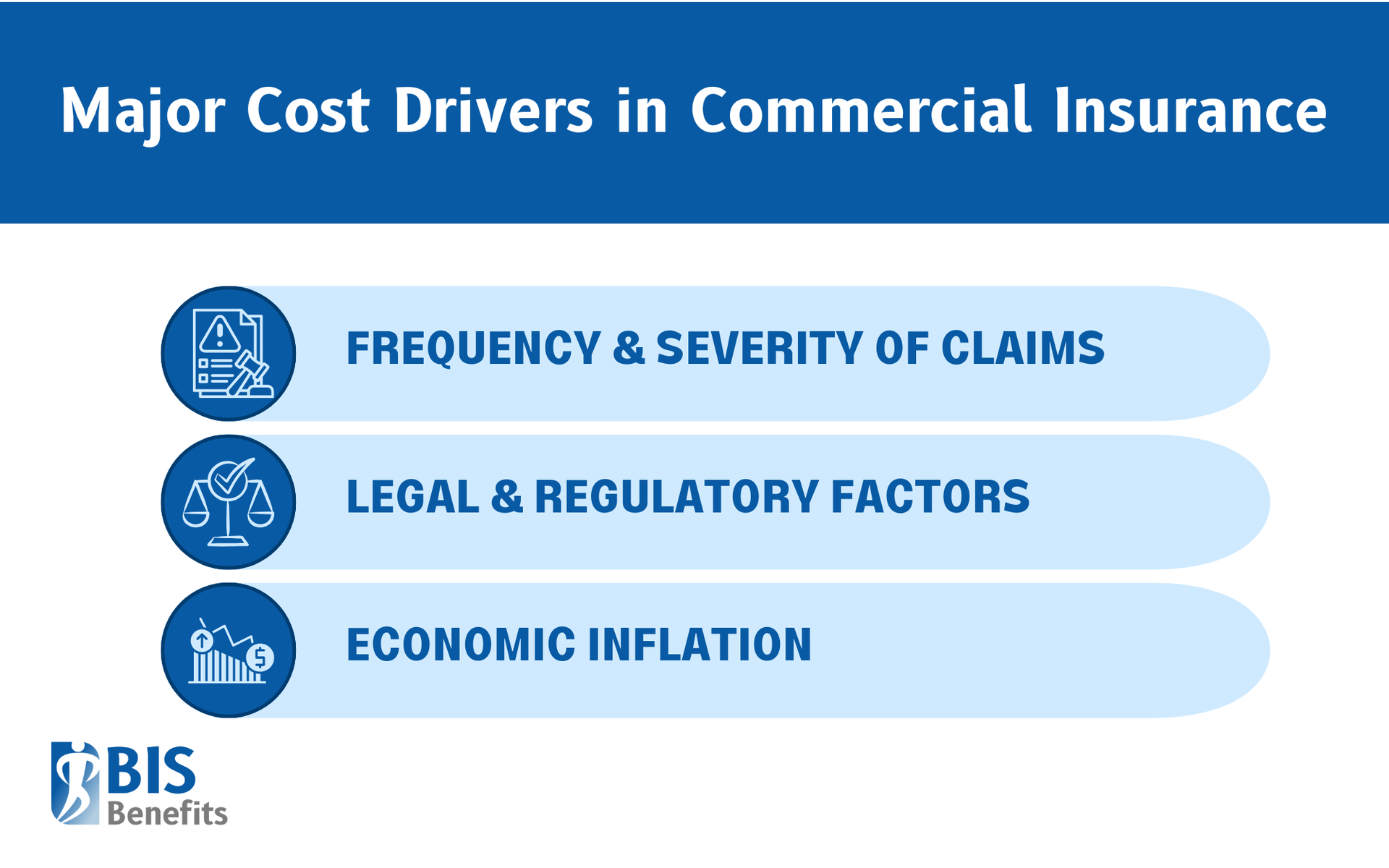
Major Cost Drivers in Commercial Insurance
Increased Claims Frequency and Severity
Claims costs have escalated dramatically across most coverage types.
- Medical Costs: Workers' compensation and liability claims continue rising faster than overall inflation. Advanced medical treatments, specialized care, and extended recovery periods push claim costs higher.
- Natural Disasters: Weather events generate billions in insured losses annually.
- Cyber Attacks: Ransomware and data breaches costing businesses millions in recovery expenses, business interruption, and regulatory penalties.
Legal and Regulatory Environment
The litigation landscape has shifted dramatically in plaintiff favor in many jurisdictions. Certain court systems have earned reputations as plaintiff-friendly venues where juries regularly award large verdicts against businesses. "Nuclear verdicts”, or jury awards exceeding $10 million, have become more common, particularly in trucking and product liability cases.
Changes in liability laws and statutes affect business exposure. States with higher limits of liability or lengthened statutes of limitations increase insurers' exposure periods, driving up premiums as insurers must reserve for claims that might surface years after the insurance policy expires.
Economic Inflation
General inflation raises claim costs across the board. Commercial property damage claims cost more as building materials and labor expenses climb. Commercial auto policy claims rise as vehicle repair costs and medical expenses increase. This broad-based inflation gets reflected in premium calculations.
Medical cost inflation consistently outpaces general inflation rates, particularly impacting workers' compensation and liability coverages. Labor shortages drive up service costs for everything from legal defense to claims adjustment to loss prevention services.
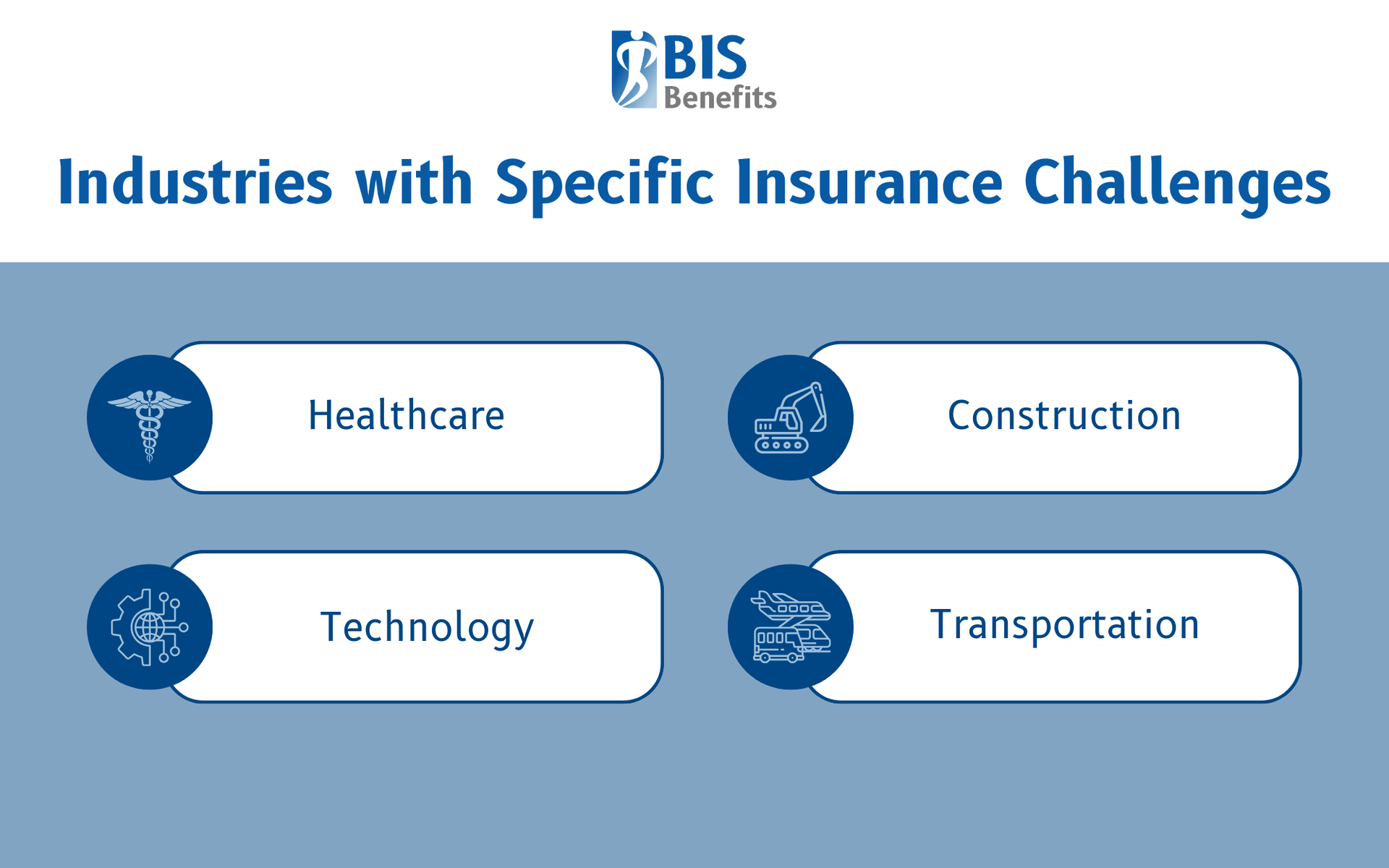
Industry-Specific Factors
Healthcare
Healthcare providers face particularly acute insurance challenges, including:
- Medical Malpractice: Claim severity has increased as treatment costs rise and juries award larger damages.
- Professional Liability: Exposures have grown as regulatory requirements expand and patients become more litigious.
- Healthcare Data Breaches: These create expensive cyber liability claims unique to this sector.
Construction and Manufacturing
Construction businesses confront multiple cost pressures, including:
- Worker Safety Regulations: OSHA compliance violations carry substantial penalties.
- Product Liability: Defect claims can devastate manufacturers, particularly as products become more complex.
- Equipment & Technology: These risks increase as construction becomes more mechanized and manufacturers adopt sophisticated production systems.
- Environmental Liability: Pollution and remediation responsibilities can create long-tail exposures that are expensive to insure.
Transportation
Commercial transportation faces specific challenges driving insurance costs higher.
- Accident Rates: Collisions have increased dramatically due to vehicle size and weight and distracted driving by motorists.
- Supply Chain Issues: Cargo theft and other disruptions create substantial losses.
- Driver Shortage: Some carriers hire less experienced drivers due to a lack of qualified options, increasing accident rates and insurance costs.
Technology
Technology businesses face the highest cyber insurance costs as primary targets for attacks.
- Data Breaches: Notification to affected individuals costs hundreds of dollars per record.
- Business Interruption: Cyber attacks can interrupt day-to-day business, potentially exceeding property losses from physical disasters.
- Regulatory Fines: Penalties from data protection law violations add to claim costs.
Regulatory and Compliance Impacts
Government Mandates
Though they vary by state, government requirements can directly affect insurance costs. Minimum insurance coverage requirements have increased in many states, such as North Carolina’s recent commercial auto insurance changes. New regulations create liability exposures that didn't exist previously, so businesses must insure against risks created by new laws. Workers' compensation insurance rates can change based on state regulatory decisions, sometimes dramatically.
Tax and Fee Structures
Insurance premiums include numerous taxes and fees beyond the base premium which can depend on the state. Regulatory assessment fees fund state insurance departments. Surplus lines taxes and fees apply to coverage placed with non-admitted insurers. Some municipalities and counties impose additional insurance-related fees.
Market Consolidation and Capacity Issues
Insurer Market Exits
Market capacity constraints drive prices higher.
- When insurance providers exit certain lines of business or geographic markets, remaining carriers face less competition and can charge more.
- Some specialized coverages have few available carriers, creating seller's markets where insurers dictate terms.
- These constraints particularly affect high-risk industries and regions prone to catastrophic weather.
Reinsurance Market Challenges
The reinsurance market, where insurance companies buy their own insurance, faces capacity constraints and increased costs following major losses in recent years. Some primary insurers retain more risk rather than purchasing expensive reinsurance, but this strategy increases their own capital requirements and risk exposure.
Investment Performance Impact
Insurance companies invest premium dollars to generate returns that help keep premiums affordable. Lower rates of interest reduce investment income, forcing insurers to charge higher premiums to achieve profitability targets. Investment losses from market volatility strain insurer finances. Capital market instability makes investors demand higher returns for insurance company investments, increasing insurers' cost of capital.

Strategies to Manage Commercial Insurance Costs
Risk Management Programs
Proactive risk management demonstrably reduces insurance costs.
- Loss prevention and safety initiatives reduce claim frequency.
- Effective claims management and early intervention minimize claim severity.
- Employee training and certification programs show insurers your commitment to risk reduction. Technology solutions help prevent losses and provide data proving risk reduction efforts.
Coverage Optimization
Strategic coverage decisions impact costs without sacrificing protection.
- Deductible Strategy: Higher deductibles and self-insurance of smaller losses reduce premiums substantially.
- Policy Bundling: Package deals with single carriers often provide discounts.
- Alternative Risk Financing: Arrangements like captive insurance programs can be an option for larger businesses.
- Regular Coverage Reviews: These ensure you're not over-insured or paying for unnecessary coverages.
Professional Guidance
Experienced insurance agents provide value through market knowledge and negotiation skills. They conduct regular coverage reviews identifying savings opportunities and coverage gaps. Market timing can yield significant savings. Professional brokers negotiate on your behalf, leveraging relationships with multiple carriers to secure competitive pricing.
Find Affordable Commercial Insurance Solutions with BIS Benefits
Commercial insurance costs reflect multiple complex factors: increased claims severity, evolving risk landscapes, regulatory requirements, market dynamics, and economic inflation. While these pressures drive premiums higher across industries, businesses aren't helpless against rising costs. Proactive risk management, strategic coverage decisions, and professional guidance provide pathways to more affordable protection.
BIS Benefits specializes in helping Georgia businesses navigate
commercial insurance coverage. Our experienced insurance brokers understand the factors driving costs in your specific industry and can identify cost-effective solutions. while ensuring adequate protection. If your business has 15 employees or more,
Request a Free Quote today to discuss your business insurance needs with BIS Benefits.