How to Customize an Employee Benefits Package
How to Customize an Employee Benefits Package
At a Glance: Customizing an employee benefits package means creating a benefits strategy that balances employee needs, business goals, and budget considerations. By reviewing employee feedback, benchmarking against similar businesses, and offering flexible options such as retirement benefits and voluntary benefits, employers can build a package that supports recruitment and retention.
Employees have different needs, priorities, and financial situations. Businesses also have different budgets, goals, and workforce expectations. Because of these differences, there is no single employee benefits package that works equally well for every employer. However, offering competitive benefits can help attract top talent and improve employee retention, so it's important for business owners to analyze their offerings on a regular basis.
Learning how to customize an employee benefits package means looking at what your employees value, what your business can afford, and what similar businesses offer. Customization can involve everything from health insurance and retirement benefits to paid time off, voluntary benefits, and flexible workplace options.
For businesses offering benefits for the first time, the process starts with building a strong foundation. For employers with an existing employee benefits program, customization may mean reviewing current offerings and making targeted changes based on employee feedback, participation, costs, and industry benchmarks.
What Does It Mean to Customize an Employee Benefits Package?
A customized employee benefits package is designed around the unique needs of a specific workforce rather than simply adopting a standard package. The goal is to provide benefits that support employees while also fitting the company's budget and business objectives. This allows employers to explore different options within the overall benefits package so they can choose coverage that fits their circumstances.
Customization may include:
- Different health insurance plan options
- Voluntary benefits
- Retirement benefits
- Flexible workplace perks
Businesses offering benefits for the first time may need to establish a budget, identify foundational benefits, determine employee priorities, and research what similar companies provide.
Businesses with an existing plan can review current offerings, identify benefits employees value, look for gaps, and compare the package with industry benchmarks. The right approach depends on where your business is starting and what you want your employee benefits strategy to accomplish.
Start by Understanding Your Employees
Employee needs should guide both the creation and improvement of a benefits package. Employers may have assumptions about which benefits employees want, but asking employees directly can provide more useful information.
Businesses can gather employee feedback through:
- Employee surveys
- Benefits utilization data
- Enrollment trends
- One-on-one conversations
- Exit interviews
Businesses introducing an employee benefits program for the first time may not have enrollment or utilization data to review, so employee surveys and conversations can help establish a starting point. Businesses with an existing benefits package have more information to work with. Review how employees are using the benefits already available and identify areas of high and low participation. Employers should also ask employees what they would change, add, or remove from the current benefits package.
Benchmark Your Employee Benefits Against Similar Businesses
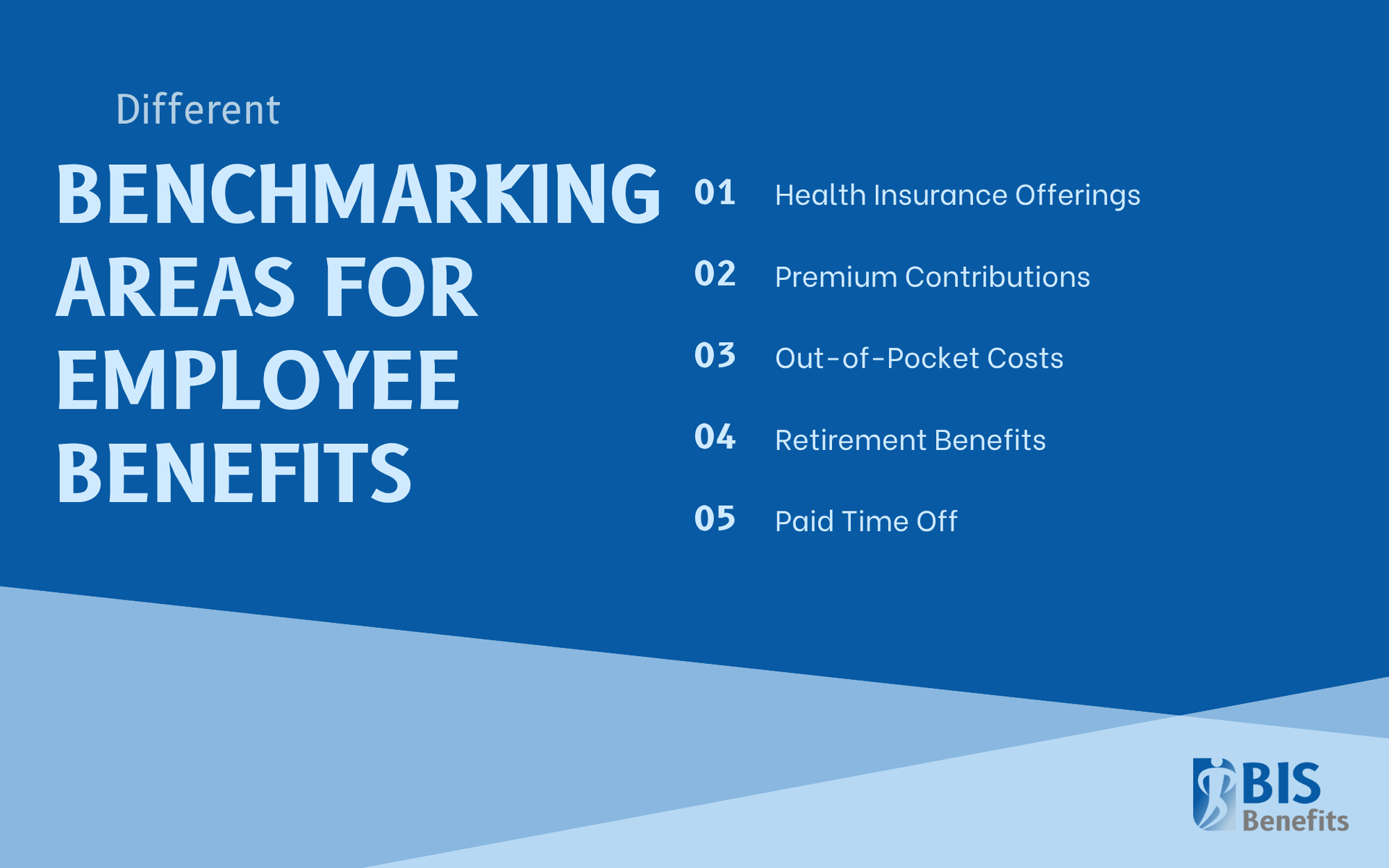
Employee benefits benchmarking involves comparing your benefits program with what similar businesses offer. Benchmarking can help employers understand whether their employee benefits plans are competitive and whether their spending and contribution levels are generally in line with comparable employers.
Businesses can benchmark areas such as:
- Health insurance offerings
- Employer premium contributions
- Employee premium contributions
- Deductibles and out-of-pocket costs
- Retirement benefits
- Paid time off
- Voluntary benefits
- Other workplace perks
Businesses should compare their benefits with companies that are similar in size, industry, geographic area, and workforce demographics.
Build a Strong Foundation of Core Benefits
Businesses creating their first benefits package should start with benefits that provide broad value to employees. Employers with an existing program can also use these categories to determine whether their current offerings need improvement.
Health Insurance
Group health insurance is often a major part of an employee benefits package. Employers may be able to provide multiple health plan options that differ in premiums, deductibles, provider networks, and out-of-pocket costs.
Employers should consider both employee needs and the overall cost of each option when evaluating group health insurance plans.
Dental and Vision Insurance
Dental and vision coverage can complement health insurance by helping employees pay for routine and preventive care. Because dental and vision plans can often be offered separately from medical coverage, they provide another way to customize employee benefits without changing the entire health insurance program.
Retirement Benefits
Retirement benefits can help employees work toward their long-term financial goals. Common options include 401(k) plans, employer contributions, and matching programs. Competitive retirement benefits can be an important part of an overall benefits package for employees focused on long-term financial planning.
Life and Disability Insurance
Life insurance can provide financial support to an employee's family if the employee dies. Disability insurance can provide income replacement when an employee cannot work because of a qualifying disability. Including these benefits can help address financial risks employees may face beyond routine healthcare expenses.
Add Flexible Benefits Based on Employee Needs
Core benefits do not have to make up the entire employee benefits program. Employers can add flexible employee benefits that address specific workforce priorities.
Work-Life Balance Benefits
Work-life balance benefits can give employees additional flexibility in managing work and personal responsibilities. Options may include:
- Paid time off
- Flexible schedules
- Remote or hybrid work
- Paid parental leave
These benefits may be valuable for employees balancing work with caregiving, family responsibilities, or other commitments.
Financial Wellness
Financial stress can affect employees both inside and outside of the workplace. Some businesses may provide benefits that help employees manage their finances, such as:
- Student loan assistance
- Financial wellness programs
- Emergency savings programs
These benefits can complement traditional compensation and insurance benefits while addressing financial concerns that may not be covered by a standard package.
Wellness Benefits
Wellness benefits can support employees' physical and mental well-being. Depending on employee interest and available resources, businesses may offer:
- Mental health resources
- Fitness programs
- Wellness stipends
- Preventive health programs
Employers do not need to offer every available benefit. Instead, prioritize options based on employee demand, benchmark data, business goals, and budget.
Give Employees More Choice
Providing employees with choices is another way to customize an employee benefits package that meets each employee’s individual needs without creating a completely separate program for each person. Some employers offer multiple health insurance plans or different coverage levels, allowing employees to select the option that best fits their needs and budget.
Businesses may also consider voluntary benefits and supplemental insurance options. These can give employees access to additional coverage while allowing them to decide which options they want.
Communicate Benefits Effectively With Employees
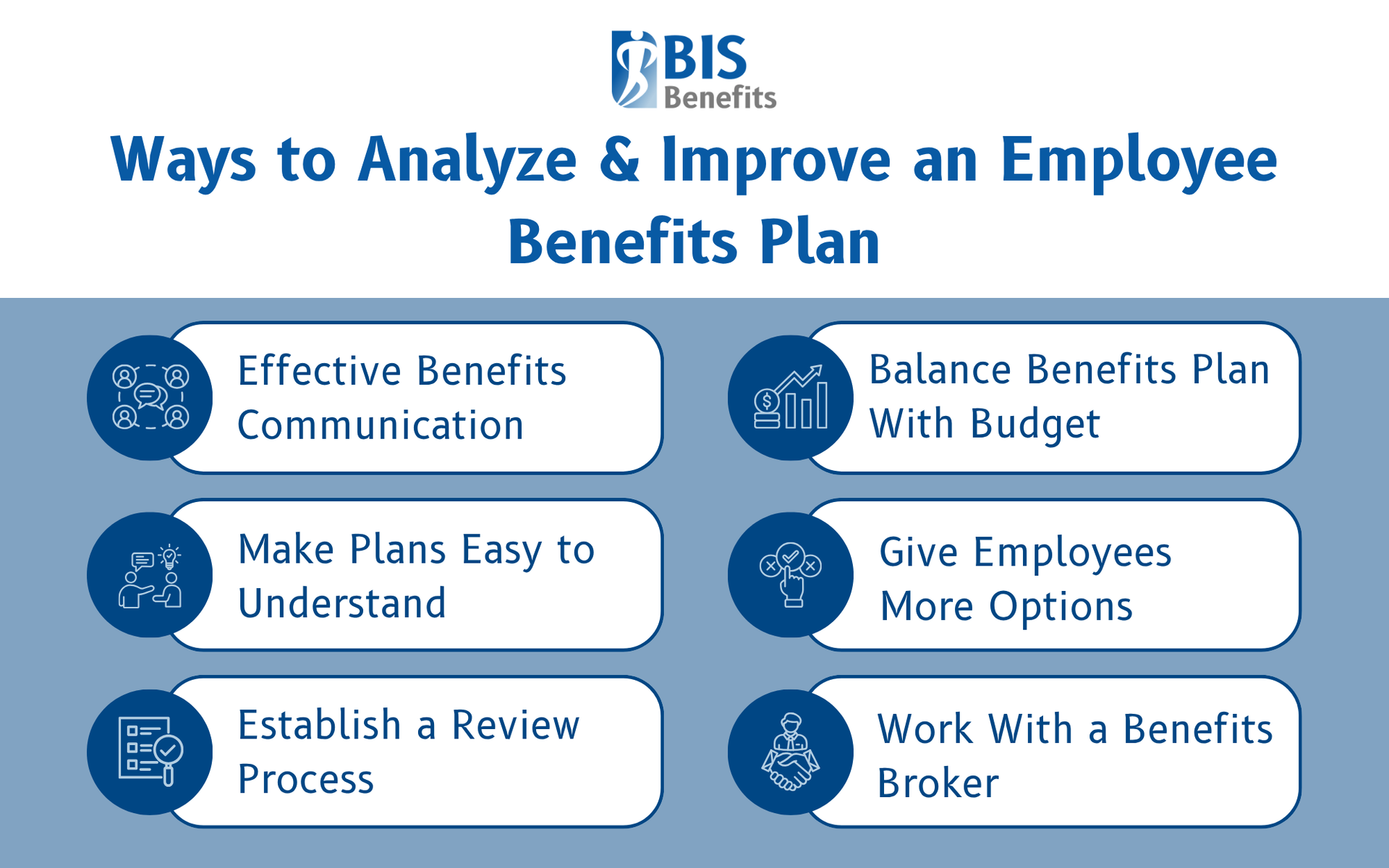
A strong benefits package only provides value if employees understand what it offers and how to use it. Employers can use employee benefits booklets, informational videos, enrollment platforms, meetings, and other educational materials to explain available benefits.
Communication should not happen only during open enrollment. Employees should receive information before enrollment begins, while they are making decisions, and after enrollment so they know how to use their coverage.
Make Communication Two-Way
Benefits communication should also give employees an opportunity to ask questions and provide feedback. Employers can use surveys, meetings, and individual conversations to understand employee concerns. This creates an ongoing feedback loop: employers learn what employees need, employees get more opportunities to understand their benefits, and the business can use that information when making future changes.
Balance Employee Benefits With Your Budget
An effective benefits package needs to provide value to employees while remaining financially manageable for the business.
Before choosing benefits, employers should establish a realistic budget and evaluate how different options affect overall costs. Important considerations include:
- Comparing plan options
- Reviewing employer contribution levels
- Evaluating employee participation
- Considering voluntary benefits
- Reviewing overall program costs
Employee participation can help employers evaluate whether a benefit is providing value. However, participation should be considered alongside employee feedback and the purpose of the benefit.
Make Your Benefits Package Easy to Understand
Employees cannot get the full value from benefits they do not understand. Clear, accessible information can make it easier for employees to compare options and make informed decisions.
Businesses should clearly explain:
- What each benefit covers
- Employee costs
- Employer contributions
- Enrollment deadlines
- How to use available benefits
Benefits enrollment platforms like Employee Navigator can also make it easier for employees to access plan information, compare options, complete enrollment, and review their selections.

Review and Customize Your Benefits Package Over Time
Employee needs, healthcare costs, industry expectations, and business priorities can change. A benefits package that works well today may need adjustments in the future. Regular reviews allow employers to identify changes before they become larger problems.
Businesses should establish a process for reviewing the program after the first enrollment period. Gather employee feedback, track participation and employee questions, and compare the results with the benchmarks used when creating the program. This can help identify what worked well and where employees may need additional choices or information.
The goal is not to make changes every year simply for the sake of changing the program. Instead, use available data to determine where adjustments could provide more value for employees or the business.
Work With an Employee Benefits Broker
Creating or updating an employee benefits program can involve many decisions. An employee benefits broker can provide professional guidance when businesses are comparing plans, evaluating costs, and developing their overall benefits strategy.
For Businesses Offering Benefits for the First Time
A broker can help businesses:
- Compare insurance providers
- Understand available plan options
- Benchmark benefits offered by similar businesses
- Establish a benefits strategy
- Evaluate costs
- Manage enrollment
Professional guidance can be particularly helpful for businesses that do not have an established benefits process or internal resources dedicated to benefits administration.
For Businesses Improving an Existing Plan
Businesses with an existing program can also benefit from professional support. A broker can help with:
- Reviewing current coverage
- Comparing renewal options
- Benchmarking existing benefits
- Identifying potential gaps
- Evaluating employee feedback
- Finding cost-saving opportunities
- Improving benefits communication
An experienced benefits professional can help businesses bring these different pieces together and build or improve an employee benefits package around their workforce and business goals.
Build an Employee Benefits Package That Fits Your Business
Learning how to customize employee benefits packages starts with understanding your employees and your business goals. As employee needs, costs, and industry expectations change, reviewing your benefits package regularly can help keep the program aligned with your workforce and budget.
BIS Benefits can help Georgia businesses evaluate their employee benefits options and develop a comprehensive benefits package around their specific needs. Our brokers handle all the complex strategic planning so business owners can focus on running their businesses. If your business has at least 15 employees and you are looking to build or improve your benefits program, request a quote or speak with a BIS Benefits professional to explore your options.