What Is Payroll Integration?
What Is Payroll Integration?
At a Glance: Payroll integration connects payroll software with other business systems, such as HR platforms, accounting software, time tracking tools, and employee benefits systems. By allowing payroll data, employee information, and benefit deductions to move between connected platforms, payroll integration can help reduce manual updates, improve data accuracy, and simplify administrative tasks.
For HR teams managing
employee benefits, payroll connections can help coordinate enrollment updates, employee contributions, and payroll deductions.
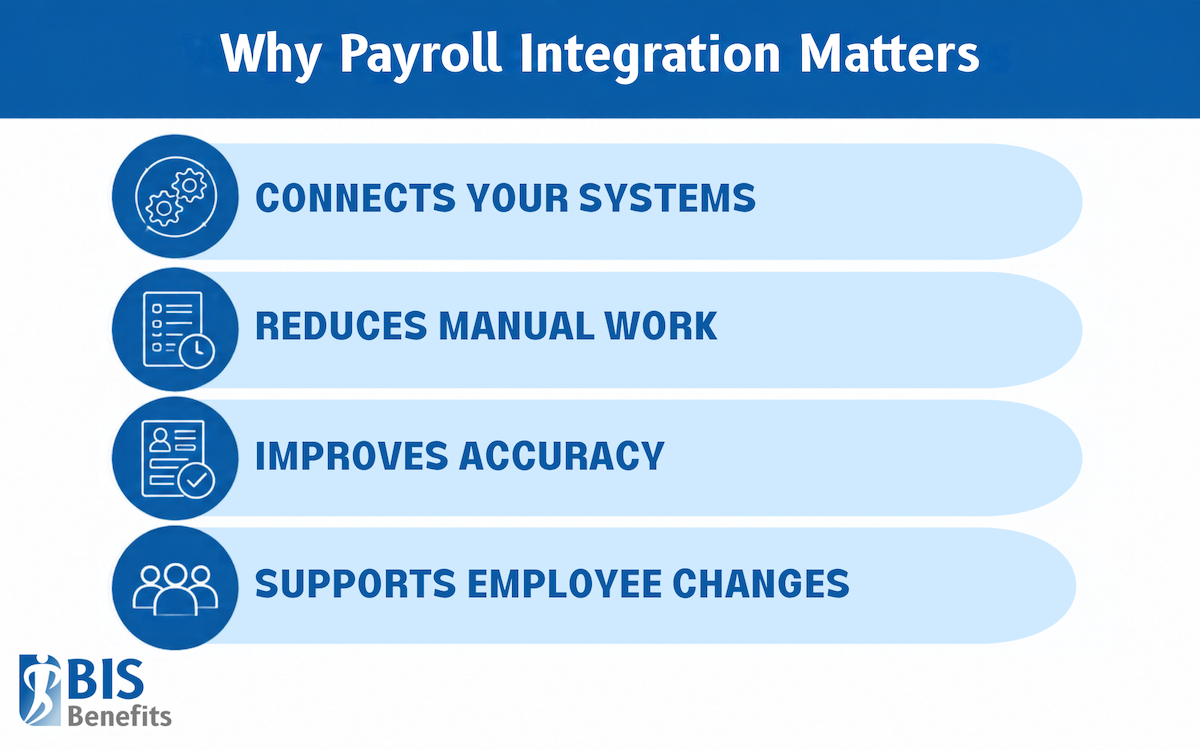
Why Payroll Integration Matters
Payroll integration is the process of connecting a payroll system with other business applications so information can move between platforms. Instead of manually entering employee hours, updating records, or transferring payroll information between systems, integrations allow connected platforms to share data based on the permissions established by the business.
A payroll integration allows businesses to connect payroll software with other tools, such as HR systems, accounting platforms, and time tracking solutions. These connections can help businesses manage payroll information more efficiently by reducing repetitive manual work and improving the flow of employee data.
For many businesses, payroll is connected with systems such as:
- Human resource management systems (HR systems)
- Accounting software
- Time and attendance platforms
- Employee benefits platforms
- Retirement plan systems
These connections allow employee information, payroll deductions, tax information, and other records to move between systems.
A payroll integration typically uses technology such as
application programming interfaces (APIs) to allow different software platforms to communicate. This can help reduce repetitive administrative tasks and limit the need for employees to manually update information across multiple systems.
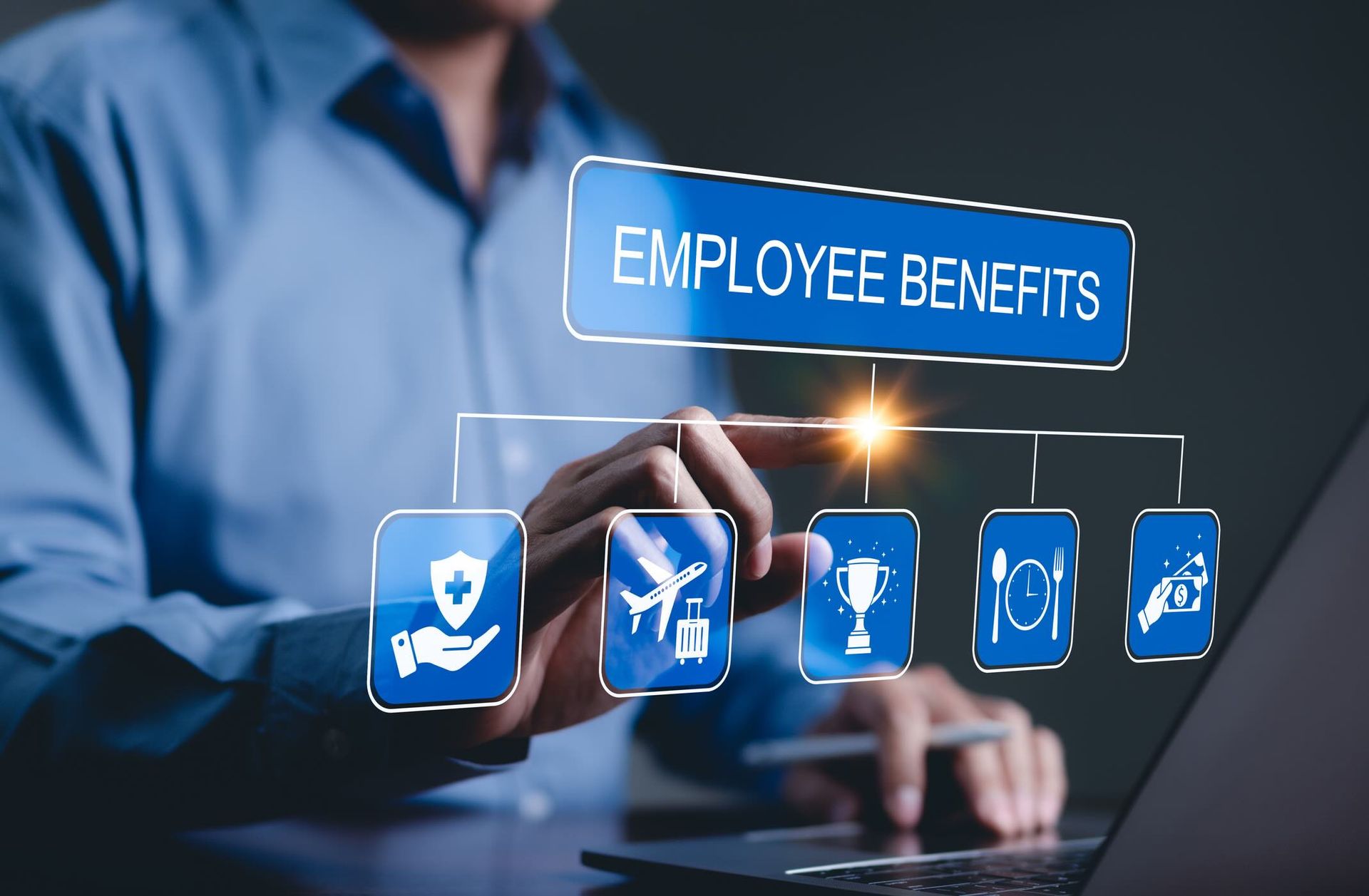
For example, when an employee updates their benefits elections, a connected system can transfer that information to payroll so deductions can be updated accurately. This helps HR teams manage employee benefits while reducing the chance of errors caused by manual updates.
How Does Payroll Integration Work?
Payroll integration works by connecting a payroll application with other business systems that store or manage employee information. When systems are connected, information can transfer between platforms based on the settings and permissions established by the business.
Common information shared through payroll integrations may include:
- Employee information
- Employee hours
- Payroll deductions
- Tax deductions
- Benefit contributions
- Employee census information
- Account balances
- Payroll reports
Payroll integration can help create a more connected payroll process by allowing businesses to manage information across different platforms.
Common Types of Payroll Integrations
Businesses use different types of payroll integrations depending on their needs, industry, and existing systems.
Time and Attendance Integration
Time and attendance integrations connect employee scheduling or tracking systems with payroll software.
These integrations can help transfer information such as:
- Employee clock-in and clock-out times
- Breaks
- Overtime hours
- Approved time off
By connecting time tracking with payroll processing, businesses can reduce the need for manual entry when calculating employee wages. This can help payroll providers maintain more accurate payroll information while reducing administrative work.
Accounting and ERP Integration
Accounting and Enterprise Resource Planning (ERP) integrations connect payroll systems with financial platforms.
These integrations may transfer:
- Payroll expenses
- Taxes
- Deductions
- Employee compensation information
- General ledger information
Connecting payroll with accounting software can help businesses maintain accurate financial records and simplify reporting.
Instead of manually moving payroll information into accounting systems, businesses can create a more connected process between payroll processing and financial management.
Human Resources Information Systems (HRIS) Integration
HRIS integrations connect payroll systems with human resource platforms that manage employee records.
These systems may share information related to:
- New employee onboarding
- Employee changes
- Promotions
- Paid time off (PTO)
- Employee status updates
Connecting payroll with HR systems can help keep employee data accurate and reduce duplicate data entry.
This can be especially helpful for growing businesses managing larger teams and more complex employee records.
Benefits and Retirement Integration
Payroll integrations can also connect with employee benefits and retirement systems.
This may include information related to:
- Health insurance deductions
- Employee contributions
- Retirement plan contributions
- Benefit enrollment updates
Benefits administration platforms can help HR teams manage enrollment information and connect employee benefits data with other business systems.
Businesses may also use integrations to transfer retirement contribution amounts to investment recordkeepers. Employees should work directly with their retirement plan provider for questions about investment options or investment advice.
BIS Benefits provides benefits administration technology through platforms like
Employee
Navigator, which helps businesses manage online enrollment and connect benefits information with participating payroll providers.
Benefits of Payroll Integration for Businesses
Payroll integration can provide several advantages for businesses managing employee information and administrative responsibilities.
Saves Time on Administrative Tasks
Payroll processing requires accurate information and regular updates. Without integration, HR teams may spend significant time transferring information between systems.
Payroll integration can reduce repetitive tasks by allowing employee data to flow between connected systems. This may give HR teams more time to focus on employee support, workforce planning, and other business priorities.
Improves Data Accuracy
Manual data entry can increase the chance of mistakes. Payroll integration can help reduce human error by transferring information between connected systems. Keeping systems connected can help create a more consistent payroll process.
Supports Payroll and Tax Recordkeeping
Businesses must manage payroll taxes, employee records, and reporting requirements accurately.
Payroll integration can help keep payroll information consistent across systems, which may support accurate recordkeeping and administrative processes. Businesses should work with qualified professionals for specific tax compliance questions.
Improves the Employee Experience
Employees expect accurate paychecks, clear benefits information, and easy access to important records. Payroll integration may help improve the employee experience by keeping information consistent across systems. For example, when employee benefits elections and payroll deductions are connected, employees may have fewer issues related to incorrect deductions or outdated information.
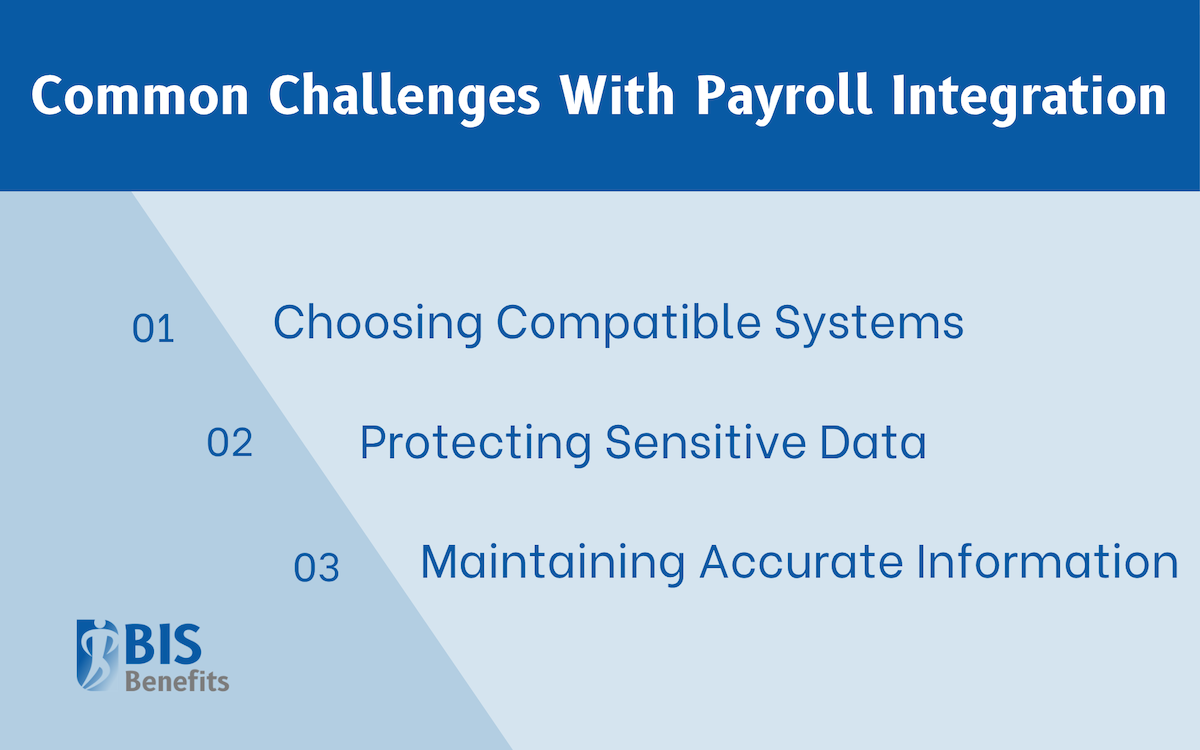
Common Challenges With Payroll Integration
While payroll integration can simplify many processes, businesses should consider several factors before connecting systems.
Choosing Compatible Systems
Not all payroll software platforms connect with every business system. Before choosing a payroll solution, businesses should review whether the platform works with their existing HR systems, accounting software, time tracking tools, and benefits platforms.
Choosing compatible systems can help businesses avoid additional manual work and create a more organized payroll process.
Protecting Sensitive Data
Payroll systems often contain sensitive data, including compensation details, tax records, and benefits information.
Businesses should review security settings, user permissions, and provider practices when connecting systems. Protecting payroll data helps businesses maintain employee trust and manage important records responsibly.
Maintaining Accurate Information
Even with automation, businesses still need accurate employee records.
HR teams should regularly review:
- Employee information
- Payroll records
- Benefits elections
- Contribution amounts
- Employee census information
Keeping records updated helps payroll systems provide accurate information and reduces issues caused by outdated data.
How Payroll Integration Supports Growing Businesses
As businesses grow, managing payroll, employee benefits, and HR responsibilities can become more complex. A connected payroll system can help growing companies manage information across different platforms while reducing repetitive administrative work.
For small businesses, payroll integration may help HR teams spend less time managing manual updates and more time supporting employees and business goals.
Payroll integration can also support strategic initiatives by giving businesses better access to organized payroll information. When HR teams have accurate employee data, they can make more informed decisions about staffing, benefits, and workforce planning.
Working with a benefits broker can also help businesses review employee benefits programs and understand how payroll processes connect with benefits administration.
How to Choose a Payroll Integration Solution
When reviewing payroll integration options, businesses should consider:
- Existing payroll software
- HR system compatibility
- Accounting needs
- Employee benefits requirements
- Data security practices
- Administrative needs
- Provider support
The right payroll solution depends on the company’s size, workforce, and existing systems.
Businesses should also consider how payroll integration fits into their larger processes. Coordinating payroll, HR, and benefits systems can help create a more organized process for employees and HR teams.
A payroll provider may offer different integration options depending on the software platform and services included. Businesses should review available features and determine which tools best support their payroll process.
How BIS Benefits Supports Employee Benefits Management
Payroll integration can help businesses manage employee information and benefits-related deductions more efficiently. However, selecting and managing employee benefits requires a broader strategy that considers employee needs, company goals, and available coverage options.
BIS Benefits helps Georgia businesses with 15 or more employees evaluate group health insurance and employee benefits options. Their brokers help businesses compare coverage options, review benefits plans, and provide guidance throughout the benefits process.
Working with an experienced benefits broker can help businesses better understand their employee benefits options and create programs that support their workforce. BIS Benefits provides guidance on
group health insurance,
employee benefits, and benefits administration solutions. Their team helps businesses review coverage options, simplify enrollment, and manage benefits administration processes.
Request a Quote from BIS Benefits to learn more about group health insurance and employee benefits solutions for your organization.